

Skin Treatment Singapore: Common Dermatological Treatments and Skin Care Approaches
Skin health plays an important role in overall well-being. Dermatology clinics in Singapore offer a variety of treatments designed to address different skin conditions and cosmetic concerns. Individuals may explore skin treatment options for issues such as acne, pigmentation, or general skin maintenance. This guide provides an overview of common dermatological treatments available in Singapore and factors people often consider when researching skin care services. It covers the scope of dermatology, common treatment procedures, key considerations when choosing a clinic, and basic principles of daily skin care.
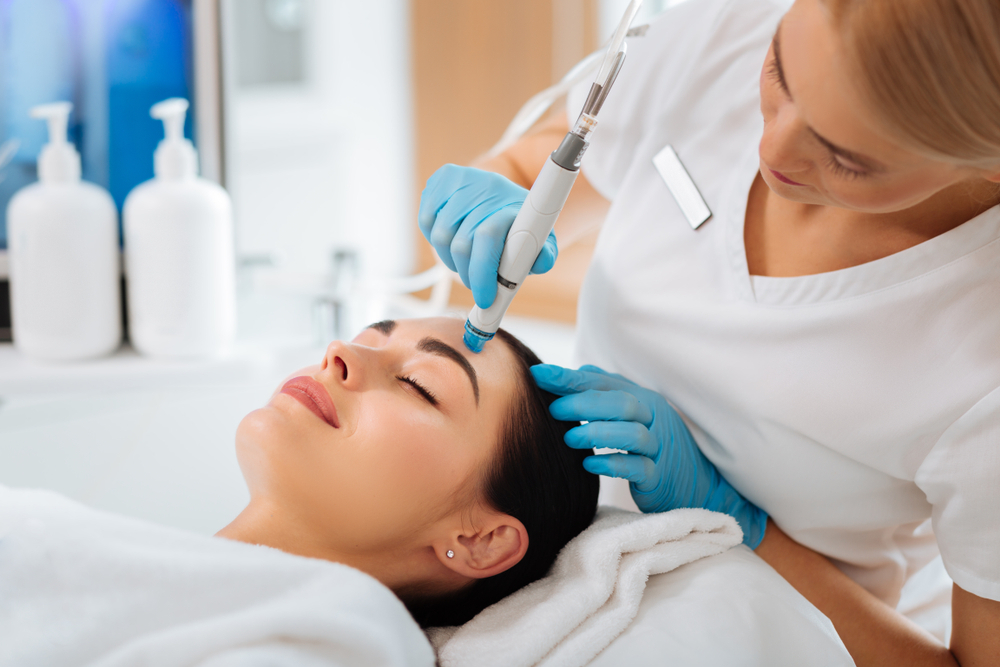
Understanding Dermatology and Skin Treatments
Dermatology is the branch of medicine that focuses on diagnosing and treating conditions affecting the skin, hair, and nails. Skin treatments may be recommended for both medical and cosmetic purposes.
Examples include:
- managing acne and inflammation
- addressing pigmentation concerns
- improving skin texture
- treating certain dermatological conditions such as eczema, psoriasis, and others
Consultation with a qualified healthcare professional is typically the first step before beginning any treatment.
Common Skin Treatments in Singapore
Dermatology clinics may offer a variety of treatment approaches depending on individual skin conditions.
Laser Treatments
Laser treatments are commonly used to address issues such as pigmentation, acne scars, or uneven skin tone. Different laser technologies are used depending on treatment goals and skin type. For example, picosecond lasers use ultra-short pulses to break down pigment into tiny particles that are subsequently cleared naturally by the body, while also stimulating collagen production to improve skin texture.
Chemical Peels
Chemical peels involve applying specific solutions to the skin to remove damaged outer layers. These treatments may help improve:
- skin texture
- mild pigmentation
- acne-related concerns
According to clinical guidelines from Singapore, treatment strength and frequency vary depending on individual needs. Based on clinic information, chemical peels for acne are typically recommended once monthly for 4-6 consecutive sessions, while for pigmentation they may require once monthly for 6-10 consecutive sessions.
Medical Facials
Medical facials are skin treatments performed in clinical environments under professional supervision. They may focus on:
- deep cleansing
- exfoliation
- hydration
Some facials incorporate specialized dermatological equipment, such as specific types of lasers or peeling technologies.
Acne Treatment Programs
For individuals experiencing persistent acne, dermatologists may recommend treatment plans that include topical medication, oral medication, or clinical procedures depending on severity. The acne management guidelines published by the Dermatological Society of Singapore provide detailed recommendations for individualized treatment in Asian populations.
Factors People Often Consider When Researching Skin Treatments
When researching skin treatment options in Singapore, individuals may evaluate several factors.
Professional Qualifications
Many people seek treatment from licensed dermatologists or medical professionals trained in skin care procedures. In Singapore, accredited dermatologists must be certified by the Ministry of Health.
Skin Type and Condition
Different treatments may be suitable for different skin types. Professional consultation can help determine appropriate options.
Treatment Plan and Duration
Some treatments require multiple sessions over time to achieve desired outcomes. For example, picosecond laser treatments typically require 3-6 sessions as a course, with intervals of 3-4 weeks between each session.
Skin Care and Preventive Practices
Dermatologists often emphasize maintaining consistent skin care routines.
Expert consensus from institutions such as the National Skin Centre in Singapore indicates that regardless of the condition—be it acne, rosacea, or sensitive skin—four core elements are essential: treatment, cleansing, moisturizing, and sun protection.
General practices may include:
- Daily Sun Protection: Use broad-spectrum sunscreen with at least SPF 30, even on cloudy days. Ultraviolet radiation is a primary cause of skin cancer and photoaging.
- Proper Cleansing and Moisturizing: Wash the face briefly 1-2 times daily using a gentle, soap-free, alcohol-free, fragrance-free cleanser. Moisturizing helps repair the skin barrier and reduces dryness and itching.
- Avoiding Excessive Sun Exposure: Minimize outdoor activities during peak ultraviolet hours from 10 am to 4 pm.
- Consulting Professionals for Persistent Skin Concerns: For any suspicious changes in the skin, timely consultation with a doctor is essential.
Routine skin checks can aid in the early detection of serious issues such as skin cancer. In Singapore, the incidence of skin cancer is rising due to high levels of ultraviolet exposure. Annual full-body skin examinations are recommended for adults. At home, individuals can use the "ABCDE" rule to self-check moles or growths for suspicious characteristics:
- A (Asymmetry): One half does not match the other
- B (Border): Edges are irregular, scalloped, or poorly defined
- C (Color): Color is not uniform, may include different shades of brown, black, red, white, or blue
- D (Diameter): Diameter greater than 6 millimeters, or looks different from other moles
- E (Evolution): Changes in size, shape, color, or the appearance of itching or bleeding
Preventive care can help support long-term skin health.
Frequently Asked Questions (FAQ)
Q: How many treatment sessions are typically needed to see results?
A: The number of sessions varies depending on the specific concern and treatment method. For example, picosecond laser treatments typically require 3-6 sessions as a course. Chemical peels for acne may be recommended 4-6 times, once monthly. A physician will develop a treatment plan based on individual circumstances after consultation.
Q: Do skin treatments involve pain or downtime?
A: Experiences differ across treatments. Chemical peels may involve mild stinging or warmth during the procedure. Superficial peels have minimal downtime, while medium-depth peels may involve visible peeling for several days. After picosecond laser, most individuals experience mild redness and skin sensitivity, which typically resolves within 1-2 days. Individual experiences may vary.
Q: Why is sun protection so important in skin care?
A: Ultraviolet radiation is a primary cause of skin cell mutation and skin cancer, and also contributes to photoaging. For individuals with skin conditions, sun protection can also help prevent disease recurrence. Experts recommend using broad-spectrum sunscreen with SPF ≥30, with physical sunscreens preferred for sensitive skin.
Q: How can someone determine if they need to see a dermatologist?
A: If persistent skin issues such as severe acne or eczema arise, or if a mole changes in shape, color, or size, or if new suspicious growths appear, consulting a dermatologist is advisable. Additionally, individuals with a family history of skin cancer, numerous moles, or a history of significant sun exposure may benefit from routine professional skin examinations.
Sources
- https://www.nuh.com.sg/care-at-nuh/services/medicine/dermatology
- https://luminederm.com/service/chemical-peel/
- https://skinhealthsg.com.sg/blog/why-routine-skin-check-ups-are-vital-for-skin-health/
- https://pubmed.ncbi.nlm.nih.gov/31531161/
- https://stratumskin.com.sg/
- https://ivimedicalclinic.sg/services/pico-laser/
- https://news.medlive.cn/derm/info-progress/show-232076_231.html
- https://www.ntfgh.com.sg/our-services/clinical-services/dermatology
- https://skinhealthsg.com.sg/blog/skin-cancer-awareness-early-detection-and-prevention-tips/
Related Articles
Singapore Sleep Clinic: A Guide to Sleep Disorders and Clinical Evaluation
Mar 12, 2026 at 5:41 AM
What Really Happens to Your Body When You Quit drinking
Mar 10, 2026 at 6:34 AM
Your Guide to Eczema (Atopic Dermatitis) Treatment: A Realistic Look at Managing the Itch
Mar 3, 2026 at 8:33 AM
Vaccination Clinics in Malaysia: A Practical Guide to Immunisation
Mar 9, 2026 at 7:10 AM
Your Guide to Peptide Therapy Programs: A Realistic Look at a Growing Field in Regenerative Medicine
Mar 4, 2026 at 8:37 AM
Singapore Orthodontics: A Guide to Orthodontic Care and Treatment Options
Mar 12, 2026 at 5:26 AM
Understanding laser skin resurfacing: What you need to know
Jul 2, 2025 at 2:34 AM
Navigating Your Mammogram: A Practical Guide to Scheduling in the U.S.
Feb 11, 2026 at 5:58 AM
Navigating Weight Loss Clinics in Malaysia: A Practical Guide
Mar 6, 2026 at 6:51 AM
Your Guide to Sleep Medicine: A Realistic Look at Seeing a Sleep Doctor in the U.S.
Mar 4, 2026 at 3:41 AM


This website only serves as an information collection platform and does not provide related services. All content provided on the website comes from third-party public sources.Always seek the advice of a qualified professional in relation to any specific problem or issue. The information provided on this site is provided "as it is" without warranty of any kind, either express or implied, including but not limited to the implied warranties of merchantability, fitness for a particular purpose, or non-infringement. The owners and operators of this site are not liable for any damages whatsoever arising out of or in connection with the use of this site or the information contained herein.