

Your Complete Guide to Pet Clinics in the US: From Choosing Care to Understanding Services
Have you ever found yourself standing in the pet supply aisle, wondering if it's time for your dog's annual check-up, or maybe stressing about where to take your cat in the middle of a late-night emergency? You're definitely not alone. With millions of pets cherished as family members across American households, finding the right veterinary care is a big deal. Most pet owners consider their pets part of the family. This guide is here to walk you through everything you need to know about pet clinics in the US. We'll cover what a good clinic looks like, the different types of services they offer, how to choose a veterinarian that fits your family's needs, what accreditation means, typical costs, and even highlight some excellent clinics recognized nationwide. Think of it as a friendly chat to help you feel confident about your pet's healthcare.
What Exactly Is a Pet Clinic?
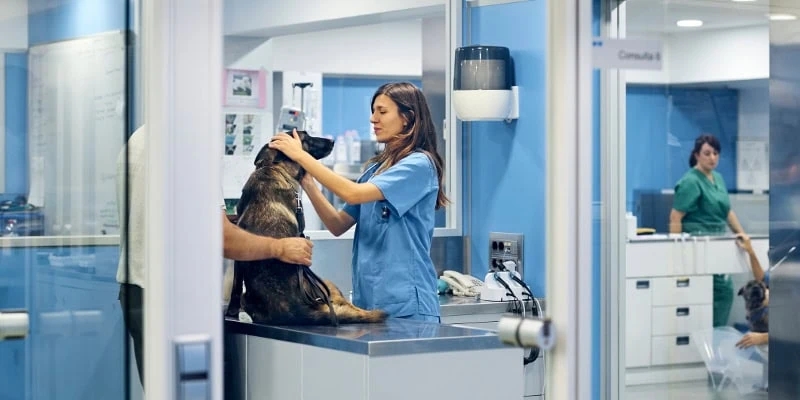
At its heart, a pet clinic—or veterinary hospital—is a facility run by licensed veterinarians dedicated to diagnosing and treating diseases and injuries in animals. These places offer a range of services, from routine check-ups and vaccinations to more complex procedures like surgery and emergency care. The best clinics focus not just on treating illness but on building a long-term relationship with you and your pet, guiding you through each life stage and helping prevent health problems before they start.
How to Choose the Right Veterinarian
Finding a vet is a bit like finding a good family doctor—it takes some thought and research. Here are some key factors to consider when looking for a practice that's right for you and your furry friend.
Location and Accessibility
Start with the practical stuff. Where is the clinic located, and how easy is it to get to? Consider their hours—do they offer evening or weekend appointments that fit your schedule? It's also smart to know their policy on emergencies and where the closest 24/7 emergency facility is, just in case.
The Veterinary Team
You'll interact with more than just the vet. From front office staff to veterinary technicians and assistants, the whole team plays a role in your pet's care. Pay attention to how they communicate. Do they listen to your concerns? Are they friendly and willing to answer questions? Feeling a connection with the team is essential. Some clinics also follow "Fear Free" practices, which focus on reducing stress and anxiety for pets during visits by using gentle handling techniques and creating a calm environment.
Clinic Facilities
If you can, stop by the clinic before your first appointment. Spend a minute in the waiting room to get a feel for the space. Is it clean and organized? How do they handle seating for different types of pets? This can tell you a lot about the daily experience for you and your pet.
Communication and Education
A good clinic will be a partner in your pet's health. Check out their website—do they offer educational resources like articles on pet wellness? Once you're in the exam room, a good veterinarian will explain things clearly and be open to your questions. Open communication builds trust and helps create a unified team focused on your pet's well-being.
Types of Services You Can Expect
Veterinary practices can offer a wide range of services, and knowing what's available helps you understand what to expect.
Preventive Care
This is the foundation of regular vet visits. It includes annual wellness exams, vaccinations, parasite control, and routine bloodwork. As your pet gets older, vets often recommend these visits more frequently to catch any age-related issues early.
Diagnostic Services
When your pet isn't feeling well, diagnostics help figure out why. This can include in-house lab work to run blood tests or check for parasites, as well as imaging like X-rays or ultrasounds. Some clinics have specialists on staff to read these reports, while others may partner with external radiologists.
Surgery and Treatment
Routine surgeries like spaying and neutering are standard at most practices. Some clinics also offer alternative therapies such as acupuncture or laser therapy for conditions like arthritis or chronic pain.
Emergency Care
Some clinics have specific hours for emergency visits, and a few are open 24/7. It's good to know whether your regular vet offers emergency services or if you need to have a backup plan. A pro tip: always call ahead to let them know you're coming so they can give you an estimated wait time.
Additional On-Site Services
Many clinics go beyond medical care, offering conveniences like grooming, boarding, nutritional consults, and an on-site pharmacy for filling prescriptions right after your visit.
Why AAHA Accreditation Matters
In the world of human medicine, hospitals must meet certain standards. But in veterinary medicine, accreditation is completely voluntary. That's where the American Animal Hospital Association (AAHA) comes in.
When you see the AAHA logo at a clinic, it means that practice has chosen to undergo rigorous evaluations covering everything from patient care and pain management to surgery and client service. Fewer than 15% of veterinary practices in North America achieve this distinction.
Why does this matter for you? Choosing an AAHA-accredited practice gives you confidence that the clinic holds itself to the highest standards. It means they're committed to excellence and are regularly reevaluated to stay up-to-date. In fact, when Newsweek and USA Today ranked America's best animal hospitals, AAHA accreditation was a key factor in their evaluations.
Understanding Costs and Payment Options
Let's be real—caring for a pet comes with financial responsibilities. On average, U.S. households spend several hundred dollars per year on veterinary care, but costs can vary widely depending on your location, the clinic, and the services needed.
Before choosing a vet, it's smart to ask for a quote over the phone. Many clinics accept payment plans or financing options like Care Credit for larger expenses. Pet insurance is also worth considering—some plans even cover routine wellness care. Never hesitate to ask about costs or payment options. Since your pet can't tell you what's wrong, there may be unexpected expenses along the way, and it's okay to plan for that.
Examples of Excellent Pet Clinics Across the U.S.
While thousands of fantastic clinics exist nationwide, some have gained recognition for their outstanding care. Publications like Newsweek release "America's Best Animal Hospitals" lists, which are great places to start your search. The hospitals that make these rankings share common traits: they prioritize quality of care, have friendly and communicative staff, maintain clean and well-organized facilities, and often hold AAHA accreditation.
Here are a few examples of well-regarded clinics across the country:
VCA Animal Hospitals (Nationwide)
With locations across the US, VCA is one of the largest networks of veterinary hospitals. Many of their locations offer comprehensive services including primary care, emergency care, and specialty services. Several VCA hospitals have been recognized on national "best of" lists for their quality of care.
Banfield Pet Hospitals (Nationwide)
Located inside many PetSmart stores, Banfield offers convenient access for routine and preventive care. They focus on preventive health plans and have electronic medical records that travel with you to any location.
Cornell University Hospital for Animals (Ithaca, New York)
As a teaching hospital associated with an Ivy League veterinary school, Cornell provides advanced specialty care and cutting-edge treatments. They handle complex cases referred from other vets and are known for their expertise in areas like cardiology and oncology.
Veterinary Specialty Hospital of San Diego (San Diego, California)
This hospital is recognized for its 24/7 emergency services and specialty care. They have specialists in multiple fields including surgery, internal medicine, and critical care, and have been featured in rankings of top veterinary hospitals.
Angell Animal Medical Center (Boston, Massachusetts)
Part of the MSPCA-Angell, this is one of the largest veterinary hospitals in the country. They offer emergency services, primary care, and a full range of specialty services. With a long history dating back to 1915, they're known for their compassionate care and medical expertise.
University of Pennsylvania School of Veterinary Medicine (Philadelphia, Pennsylvania)
Another top teaching hospital, Penn Vet offers advanced medical and surgical care. They have specialists in nearly every veterinary field and are known for their research and innovative treatments.
You can find AAHA-accredited practices in your area using the AAHA Hospital Locator on their website. This tool helps you search for clinics near you that have met their rigorous standards.
Frequently Asked Questions
Q: How often should I take my pet to the vet?
A: For most healthy adults pets, an annual wellness visit is recommended. As pets enter their senior years, vets often suggest check-ups every six months to monitor for age-related issues. Puppies and kittens need more frequent visits for vaccinations and check-ups during their first year.
Q: What's the difference between a regular vet and an emergency vet?
A: Your regular veterinarian handles routine and preventive care, as well as non-emergency illnesses. Emergency veterinary clinics are for urgent situations when your regular vet is closed or when immediate care is needed—like accidents, poisoning, or severe illness. Emergency clinics don't typically provide routine services.
Q: What should I bring to my first appointment?
A: Bring any previous medical records if you have them, a list of questions you'd like to ask, and information about your pet's diet, lifestyle, and behavior. And don't forget a leash for dogs or a secure carrier for cats. It's also helpful to bring a fresh stool sample for parasite testing.
Q: How do I find a vet if I have an anxious pet?
A: Look for clinics that advertise "Fear Free" practices or have team members trained in low-stress handling techniques. These clinics focus on creating a calm environment and may use treats, gentle restraint, or even mild sedatives to help anxious pets feel more comfortable. You can also ask the clinic about their approach to handling nervous animals when you call.
Q: Do all clinics offer the same services?
A: No, services vary by practice. Some clinics focus on general wellness and routine care, while others offer specialized services like orthopedics, dermatology, or alternative therapies. It's always a good idea to ask about the specific services a clinic provides, especially if your pet has special needs.
Q: What if I can't afford a vet visit?
A: There are options. Some clinics offer payment plans or work with third-party financing companies. Non-profit organizations and veterinary schools sometimes offer low-cost clinics. You can also ask your vet about the most essential services and whether any treatments can be prioritized based on your budget. Never hesitate to have an honest conversation about costs—vets want to help and may be able to work with you.
Finding the right veterinary care takes a little time and research, but it's one of the best investments you can make in your pet's health and happiness. By understanding what to look for and asking the right questions, you can find a trusted partner to help care for your family member for years to come.
References
- https://www.aaha.org/news/aaha-accreditation-named-key-quality-indicator-in-newsweeks-americas-best-animal-hospitals-2026-rankings/
- https://www.aaha.org/resources/prioritizing-your-pets-health-how-to-choose-a-veterinarian/
- https://www.merckvetmanual.com/special-pet-topics/health-and-the-human-animal-bond/finding-the-right-veterinarian?mredirectid=4861
- https://www.usatoday.com/story/life/pets/2025/05/05/best-veterinary-pet-hospitals-rankings/83277267007/
- https://www.aaha.org/trends-magazine/publications/americas-best-animal-hospitals-and-aaha-accreditation-a-winning-combination/
- https://www.vet.cornell.edu/hospitals、
- https://www.vshsd.com/
- https://www.mspca.org/angell/
- https://www.vet.upenn.edu/
Related Articles
What Is a Backyard Apartment? A Practical Guide to Design, Costs, and Regulations
Dec 29, 2025 at 6:28 AM
AI Applications in the U.S.: A Realistic Guide for Everyday Life
Mar 9, 2026 at 5:40 AM
Hong Kong Voluntary Health Insurance Scheme (VHIS): Enhanced Protection for People Aged 50 and Above
Dec 3, 2025 at 8:51 AM
Your Guide to Property Investment Abroad: A Realistic Look at Global Markets
Mar 4, 2026 at 8:19 AM
Gas Company Guide: Finding the Right Gas Service in an Era of High Prices
Mar 3, 2026 at 6:47 AM
Private Health Insurance in Australia: A Guide for Those Aged 50 and Over
Feb 26, 2026 at 8:57 AM
A Guide to Private Health Insurance for Those Aged 50 and Over
Feb 26, 2026 at 8:43 AM
Your Guide to AI Jobs: Understanding the Fastest-Growing Career Field in the U.S.
Mar 3, 2026 at 9:43 AM
About Laser Pigment Removal: What You Need to Know
Jul 15, 2025 at 9:17 AM
U.S. Visa Application in Malaysia: A Practical Guide
Mar 9, 2026 at 7:46 AM


This website only serves as an information collection platform and does not provide related services. All content provided on the website comes from third-party public sources.Always seek the advice of a qualified professional in relation to any specific problem or issue. The information provided on this site is provided "as it is" without warranty of any kind, either express or implied, including but not limited to the implied warranties of merchantability, fitness for a particular purpose, or non-infringement. The owners and operators of this site are not liable for any damages whatsoever arising out of or in connection with the use of this site or the information contained herein.