

A Comprehensive Guide to Mammography and Breast Cancer Prevention
Mammography is the core imaging screening tool used in the United States for the early detection of breast cancer, capable of identifying subtle abnormal changes before obvious symptoms appear. Understanding the procedure of this examination, the differences in technology, and related health management knowledge can aid in better health planning. This guide will systematically introduce you to information about mammography in the United States, including technical types, screening guidelines, the examination process and result interpretation, and provide practical information on how to schedule screening, choose service providers, and learn about related prevention knowledge.
1. Screening Technology: What's the Difference Between 2D and 3D?
Mammography uses low-dose X-rays to image breast tissue. Based on the technical principles, it is mainly divided into the following two types:
| Technology Type | Working Principle & Characteristics | Applicable Situations |
|---|---|---|
| 2D Digital Mammography | Generates two-dimensional flat images and is the most widely used standard screening technology. | Suitable for general population screening, a mature and highly accessible technology. |
| 3D Digital Breast Tomosynthesis | Synthesizes a series of thin-layer images from multiple angles to form a three-dimensional view. Can reduce tissue overlap, improve cancer detection rates, and lower "false positive" recall rates. | Provides clearer imaging for dense breast tissue and is gradually becoming the standard or preferred option at many imaging centers. |
2. Screening Guidelines: When Should I Start?
Several authoritative organizations in the United States have developed screening recommendations based on research evidence. Recommendations vary slightly between organizations, with age and risk level as the core reference.
1.General Risk Population (no significant family history, known genetic mutations, or related medical history):
- The U.S. Preventive Services Task Force (USPSTF) recommends starting screening at age 40 and continuing every two years.
- The American Cancer Society (ACS) recommends that women aged 40 to 44 have the choice to start annual screening; those 45 to 54 should get screened annually; and those 55 and older can switch to screening every two years or continue yearly screening.
2.High-Risk Population (e.g., with a first-degree relative history, carrying BRCA1/2 gene mutations, etc.):
- It is usually recommended to start screening earlier (possibly before age 40) and may require more frequent screening or monitoring combined with breast MRI. An individualized plan should be developed with a doctor.
3. Examination Process and Result Interpretation
A standard screening experience typically includes the following steps:
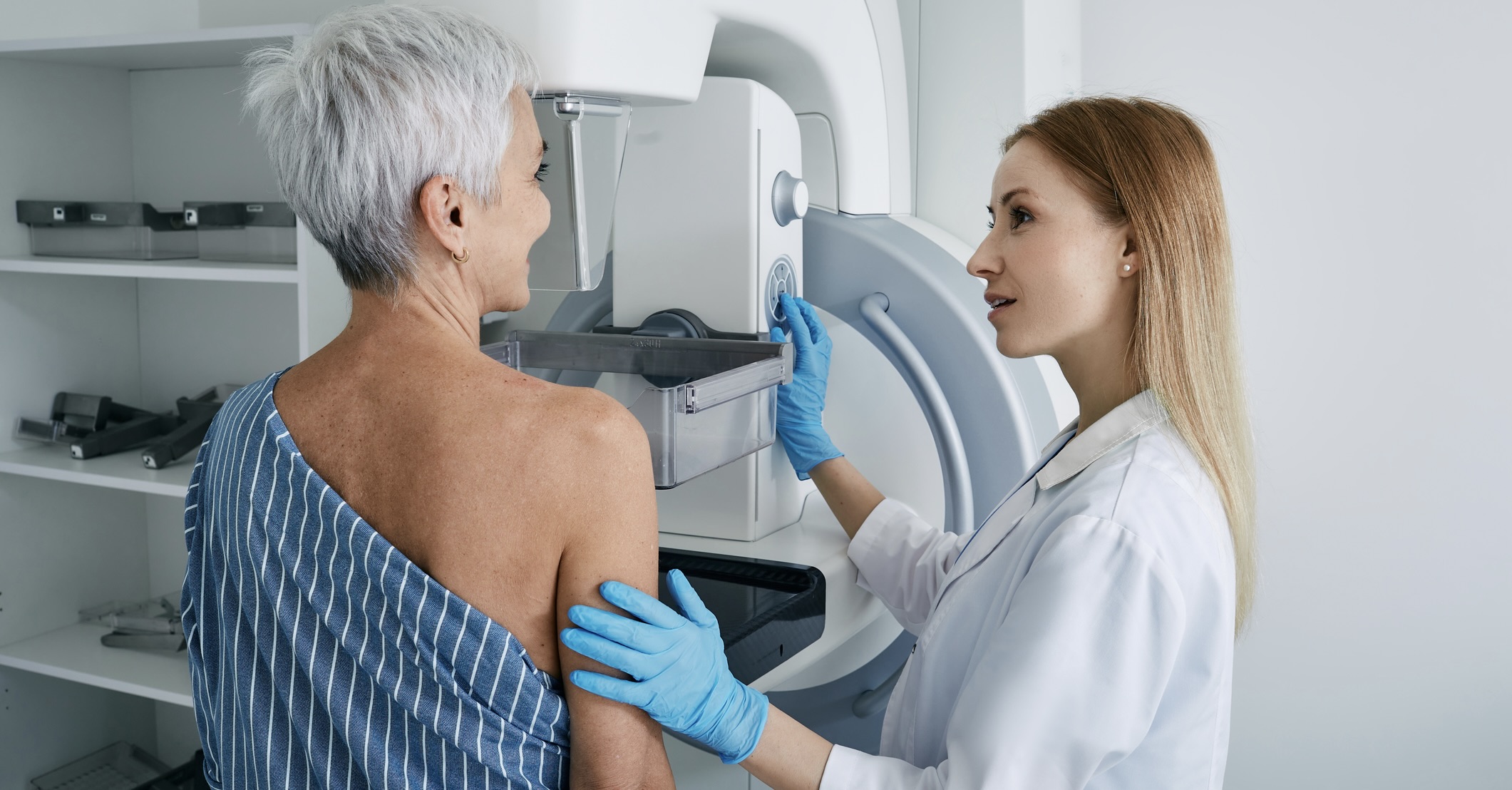
- Registration and Preparation: Upon arrival at the imaging center, you will register and be asked to remove clothing from the upper body and put on an examination gown. On the day of the exam, please avoid using deodorant, talcum powder, lotion, or perfume under your arms or on your breasts to prevent interference with the images.
- Image Acquisition: A radiologic technologist will assist you in positioning your breast on the examination platform. To obtain clear images and reduce radiation dose, the device will briefly compress the breast, with each compression typically lasting from a few seconds to over ten seconds.
- Reporting and Communication: The images are interpreted by a radiologist. Reports often use the BI-RADS (Breast Imaging-Reporting and Data System) for classification (categories 0-6), which guides the next steps (such as routine follow-up, short-term re-examination, or recommended biopsy).
4. How to Schedule and Choose a Screening Facility in the United States?
In the United States, you can schedule appointments and make choices through the following main pathways:
- Through a Primary Care Physician or Gynecologist: This is the most common pathway. A doctor can assess your personal risk, write an order (prescription) for the exam, and recommend a reliable imaging diagnostic center.
- Contact an Imaging Center or Hospital Directly: You can search for and contact an imaging center accredited by the American College of Radiology to schedule an appointment. Many centers allow online or phone scheduling.
- Utilize Health Insurance:The Affordable Care Act requires most health insurance plans to cover the cost of preventive mammograms that meet guidelines, usually without out-of-pocket costs (co-pay or deductible).It is recommended to contact your insurance company in advance to confirm in-network facilities, covered screening frequency, and whether pre-authorization is needed.
- Factors to Consider When Choosing a Facility:Accreditation and Expertise: Prioritize facilities accredited as a Breast Imaging Center of Excellence by the American College of Radiology, indicating they meet high-quality standards in personnel, equipment, and technology.Equipment and Technology: Inquire if 3D Digital Breast Tomosynthesis technology is available.Location and Reviews: Consider交通 convenience and refer to reviews from other patients.
5. Beyond Screening: Modifiable Risk Reduction Factors
Screening aims for early detection, while "prevention" focuses on reducing the risk of developing the disease. Although some risk factors cannot be changed, research indicates that some lifestyle adjustments are associated with a reduced risk of breast cancer.
- Maintain a Healthy Weight: Especially after menopause, being overweight or obese increases risk.
- Engage in Regular Physical Activity: It is recommended to get at least 150 minutes of moderate-intensity exercise per week.
- Limit or Avoid Alcohol Consumption: Research shows that drinking alcohol increases risk, and the risk rises with the amount consumed.
- Use Hormone Therapy Cautiously: Long-term use of combined hormone therapy to relieve menopausal symptoms may increase risk. If needed, discuss with your doctor to use the lowest effective dose for the shortest duration.
- Know Your Family History and Consider Genetic Counseling: If multiple family members have had breast or ovarian cancer, it may be related to genetic factors. Consult a doctor about whether genetic risk assessment is needed.
6. Frequently Asked Questions
Q: Is it normal to feel discomfort or pain during the exam?
A: Yes, compressing the breast tissue can cause brief discomfort or pain, especially when breasts are more sensitive before menstruation. This discomfort usually subsides quickly after the compression is released. You can inform the technologist of your level of discomfort, and they may assist with adjustment.
Q: What is "dense breast tissue"? What should I do if I receive this notification?
A: Dense breast tissue refers to breasts having more glandular tissue and less fatty tissue, which is a normal condition for many women. Dense breasts can make it harder to spot cancer on a mammogram and are themselves a mild risk factor. Laws in many U.S. states require that you be notified in writing if your screening shows you have dense breasts. Upon receiving this notification, you should discuss with your doctor what this means for you personally and whether adding ultrasound or MRI as supplemental screening is necessary.
Q: If my screening result is abnormal (e.g., BI-RADS category 4), does it mean I have cancer?
A: Not necessarily. BI-RADS category 4 indicates suspicious abnormalities are found, recommending biopsy for clarification. However, not 100% of cases recommended for biopsy are ultimately confirmed as cancer. Therefore, it is an important signal requiring further diagnostic clarification, not a final verdict.
Q: Do men also need breast cancer screening?
A: Men can also develop breast cancer, but it is very rare (about 1% of all breast cancer cases). Routine screening is generally not recommended for men. However, if a man discovers any abnormal changes in the breast area, such as a painless lump, skin changes, or nipple discharge, they should seek medical examination promptly.
Sources and Data References:
- https://www.cancer.org/cancer/breast-cancer/screening-tests-and-early-detection/mammograms.html
- https://www.uspreventiveservicestaskforce.org/uspstf/recommendation/breast-cancer-screening
- https://www.acr.org/Clinical-Resources/Reporting-and-Data-Systems/Bi-Rads
- https://www.fda.gov/radiation-emitting-products/mammography/overview-mammography
- https://www.cdc.gov/cancer/breast/basic_info/screening.htm
- https://www.nccn.org/patients/resources/patient-guidelines/guidelines-for-patients-breast
- https://www.cdc.gov/cancer/breast/dense-breast-tissue.htm
- https://www.cancer.gov/types/breast/patient/breast-screening-pdq
Related Articles
Breast Cancer Treatment Options: A Guide to Modern Management
Feb 5, 2026 at 5:55 AM
Harmony Within: How an IFS Therapist Helps You Reclaim Your True Self
Jul 23, 2025 at 9:17 AM
Hearing Tests: quick screening, tailored solutions, and a 60-day hearing-aid trial
Sep 23, 2025 at 8:39 AM
Understanding Initial Signs of a Sluggish Thyroid Gland
Jan 4, 2026 at 7:04 AM
A Guide to Understanding IVF Treatment: Process, Considerations, and Pathways
Feb 4, 2026 at 7:40 AM
Understanding Male Infertility Treatment Options
Dec 30, 2025 at 6:45 AM
Hand Tremors Essential Information: Causes and Treatments
Sep 29, 2025 at 3:39 AM
A Guide to Understanding Anxiety Treatment: Pathways to Management and Well-being
Jan 6, 2026 at 6:09 AM
A Guide to Eyebrow Transplants for Older Adults: Prices and Clinics
Nov 3, 2025 at 10:39 AM
CNA Online Courses: Start Your Healthcare Career
Dec 1, 2025 at 10:31 AM


This website only serves as an information collection platform and does not provide related services. All content provided on the website comes from third-party public sources.Always seek the advice of a qualified professional in relation to any specific problem or issue. The information provided on this site is provided "as it is" without warranty of any kind, either express or implied, including but not limited to the implied warranties of merchantability, fitness for a particular purpose, or non-infringement. The owners and operators of this site are not liable for any damages whatsoever arising out of or in connection with the use of this site or the information contained herein.