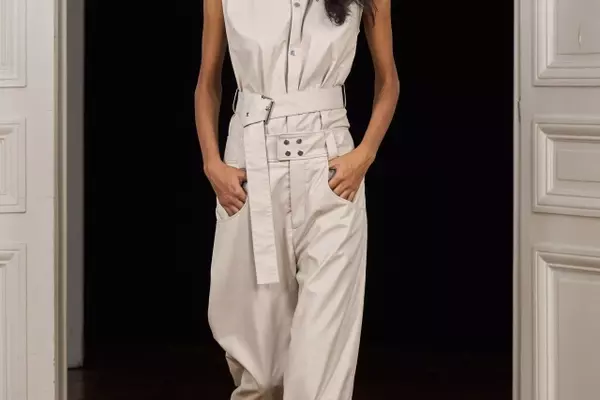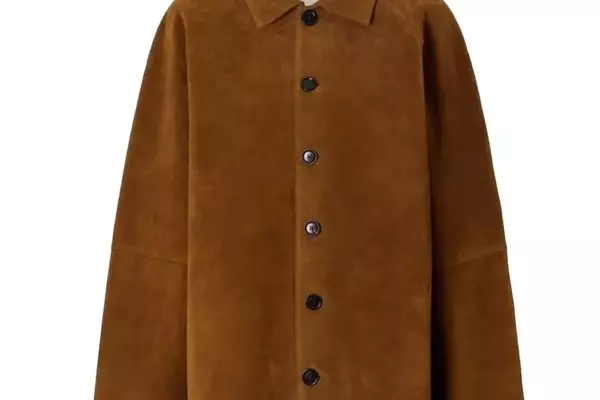
Jane Austen's literary contributions, despite being centuries old, continue to resonate deeply with modern audiences, particularly her nuanced explorations of human relationships, societal structures, and the subtleties of daily existence. The recent resurgence in popularity of films like the 2005 adaptation of <em>Pride and Prejudice</em>, and the upcoming release of <em>Sense and Sensibility</em> featuring Daisy Edgar Jones, underscores this lasting fascination. This renewed interest prompted an exploration into contemporary fashion archives, revealing how current designers frequently revisit the light, flowing aesthetics of Austen's Regency period. During her time, fashion embraced neo-classical principles, resulting in simple, linear garments with empire waistlines—a nod to Napoleonic influences. These elevated waistlines and open necklines accentuated the décolletage, or what was known as the 'Regency shelf'. This style stands in stark contrast to the rigid, boxy shapes often seen on modern runways, although the gradual return of fluid, slender tailoring suggests a potential revival of this elegant aesthetic. The allure of Regency fashion today lies in its ability to accommodate the body's natural contours. While Austen's characters may have worn corsets, they were not restrictively tightened, and the absence of crinolines or panniers allowed for effortless movement. Austen's primary focus was never on altering the physical form, but rather on the evolution of the mind and spirit, especially as they opened themselves to the complexities of love.
The Enduring Appeal of White Neoclassical Designs
The neoclassical white dress, a quintessential element of Regency fashion, continues to inspire contemporary designers. This style, characterized by its flowing lines and high waist, emphasizes natural beauty and grace, starkly contrasting with today's more structured aesthetics. Its enduring presence in modern collections speaks to a timeless elegance and a desire for comfort without compromising sophistication.
During the Regency era, white neoclassical dresses were a symbol of purity and simplicity, reflecting the societal shift towards more natural forms after the extravagance of the previous centuries. These garments, often made from lightweight muslins and silks, allowed for freedom of movement and highlighted the natural silhouette. Contemporary designers, while incorporating modern fabrics and subtle embellishments, maintain the core principles of the empire waist and soft draping, making these dresses versatile for both formal and casual settings. The appeal lies in their effortless charm and the way they subtly enhance the wearer's figure, creating a look that is both refined and accessible.
Vibrant Hues and Diverse Patterns in Modern Regency Interpretations
While white neoclassical gowns defined a significant part of Regency fashion, contemporary interpretations boldly embrace a spectrum of colors and prints. This modern twist adds a dynamic dimension to the classic silhouettes, allowing designers to inject personal flair and align with current fashion trends, proving the adaptability of the Regency style.
The historical period, though often associated with muted tones, also saw the use of richer colors and intricate patterns, albeit in a more restrained manner than today. Modern designers draw from this subtle historical precedent, reinterpreting it with vibrant palettes and diverse prints ranging from delicate florals to bold geometrics. This evolution demonstrates how the essence of Regency fashion, particularly its emphasis on the empire waistline and fluid forms, can seamlessly integrate with contemporary aesthetics, offering fresh perspectives on a beloved historical style. The fusion of past and present results in garments that are both nostalgic and cutting-edge, appealing to a wide range of fashion sensibilities.