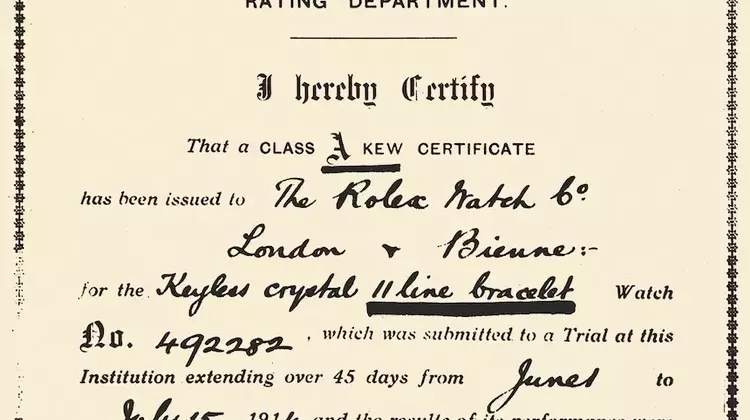
The luxury watch industry's reliance on a multitude of certifications, both external and internal, often leads to a convoluted and sometimes misleading landscape for consumers. From prestigious awards like the GPHG and Red Dot Design to technical validations such as COSC chronometer certification, Geneva Seal, and METAS Master Chronometer, brands frequently seek these seals of approval to affirm the quality and legitimacy of their timepieces. However, this pursuit can sometimes blur the lines between genuine merit and mere marketing, raising questions about the true value these validations offer.
A critical look at these certifications reveals a distinction between those overseen by independent third parties and those self-imposed by brands. While external bodies aim to provide unbiased assessments of a watch's performance or aesthetic appeal, their processes can sometimes lack transparency or be influenced by commercial interests. The author expresses skepticism towards certain awards, suggesting they may operate on a 'pay-to-play' model, where winning is more about participation fees and industry connections than pure excellence. Conversely, internal certifications, like Rolex's Superlative Chronometer or Patek's Patek Seal, represent a brand's commitment to its own rigorous standards. Yet, even these can face scrutiny, particularly regarding the extent to which they genuinely guarantee individual watch quality versus certifying a production process.
Ultimately, the effectiveness of these certifications in informing and assuring consumers is questionable. Many watch enthusiasts, let alone the general public, remain largely unaware of the intricate details behind these designations, such as whether a certification applies to individual watches or a batch, or if tests are conducted on movements alone rather than fully assembled timepieces. This lack of clear communication and the occasional revelation of 'antiquated practices' or 'cost optimization' within certification processes can erode consumer trust. While some certifications, like the METAS Master Chronometer, are lauded for their comprehensive and state-backed approach to quality control, the broader picture suggests a need for the Swiss watch industry to modernize its validation standards, fostering greater transparency and ensuring that these markers of quality truly resonate with and reassure the discerning buyer.
The journey of a luxury timepiece from concept to wrist is a testament to human ingenuity and meticulous craftsmanship. The various certifications it might acquire along the way, when imbued with genuine rigor and transparent processes, serve as valuable signposts of excellence. By prioritizing integrity, embracing innovation in testing methodologies, and clearly communicating their value, the watch industry can elevate consumer confidence and inspire a deeper appreciation for the artistry and engineering that define these magnificent instruments of time.