In 2026, a revival of interest in mall-based fashion has propelled established brands to venture into the realm of affordable activewear. This shift caters to a generation that cherishes the nostalgic charm of mall exploration alongside those seeking contemporary, budget-friendly options for their fitness routines. Recognizing this demand, retailers are now delivering innovative athletic apparel that merges classic mall aesthetics with functional design, ensuring that consumers can access stylish and practical workout gear without overspending.
The allure of mall shopping, a significant cultural touchstone for millennials, continues to influence current trends. Many recall weekends spent browsing popular stores, an experience that predated the widespread dominance of social media. Today, the fashion sensibilities of the 2010s, strongly tied to this era, are making a comeback. This renewed appreciation extends to brands like Abercrombie and Gap, which are once again favorites, but with a modern twist: activewear. These brands are now offering updated versions of their signature styles, such as comfortable leggings, versatile bra tops, and chic half-zips, appealing to both a nostalgic and a fashion-forward audience.
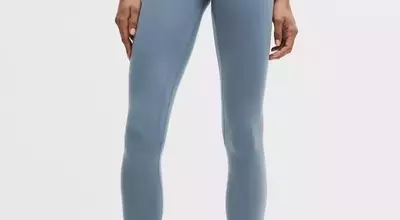
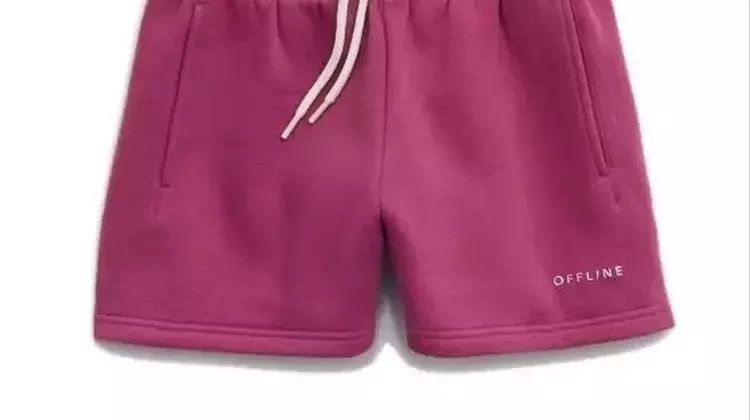
As part of this evolving landscape, traditional mall retailers are strategically expanding their product offerings to include dedicated activewear collections. Brands such as Aerie, GapFit, and FP Movement are leading this charge, alongside collections from Abercrombie and Old Navy. These sub-brands and specialized lines focus on creating athletic apparel that mirrors the trendiness of their main fashion lines while remaining accessible in price. For instance, you can find vintage-inspired gym shorts, versatile coaches' pants suitable for various workouts, and essential black sports bras designed for everyday wear. The collections also feature fashionable items like pleated exercise skorts, stylish layered tanks, and printed bike shorts, alongside comfortable flared leggings and high-waisted pants perfect for activities like yoga and Pilates. Even the iconic half-zip sweatshirt is reimagined as a staple for athleisure looks, especially as cooler weather approaches.
The appeal of these activewear lines lies in their ability to combine current fashion trends with the practicality required for physical activity. Consumers no longer have to choose between style and functionality when selecting their workout attire. This convergence of fashion and fitness, offered at an attractive price point by familiar and trusted mall brands, signifies a notable trend in the retail industry. It demonstrates a responsive approach to consumer desires, providing options that are both stylish for daily life and suitable for rigorous exercise.
This market evolution underscores a broader shift in consumer behavior, where quality, style, and affordability in activewear are paramount. By leveraging their established brand recognition and adapting to contemporary fashion demands, these retailers are effectively carving out a significant niche in the competitive activewear market. The focus remains on delivering products that meet the diverse needs of today's active individuals, from comfortable and flattering designs to durable and stylish pieces for every type of workout.
The contemporary fashion landscape sees mall-originated labels not only reclaiming their cultural relevance but also redefining their product strategies. By introducing specialized activewear lines, these brands are effectively merging nostalgia with modern consumer needs, offering stylish yet affordable options that resonate with a wide audience. This strategic diversification ensures their continued presence and competitiveness in the dynamic retail environment.