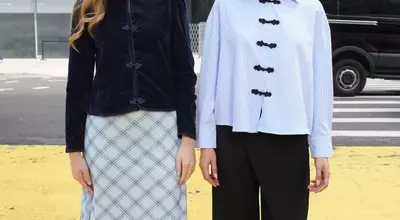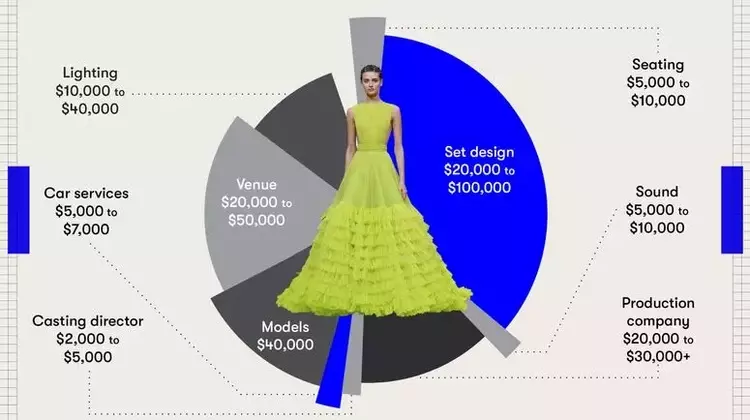
In a notable shift at New York Fashion Week, several independent fashion houses are reimagining the traditional runway show, embracing it as a dynamic platform for visibility and brand narrative. Aisling Camps, Heirlome, and 6397, all at distinct phases of their brand evolution, have recently made significant strides by either debuting on the runway or committing to this format after previously opting for more private presentations. This move signifies an evolving perspective within the industry, where the value of a physical show, once questioned for its substantial financial outlay, is now being recognized for its potential to captivate audiences and convey a brand's essence in a compelling manner. Designers are finding innovative ways to manage the costs and logistics, often utilizing unconventional venues and collaborating with industry peers, demonstrating a growing adaptability in how collections are unveiled to the world.
This renewed interest in runway shows highlights a broader industry trend towards more flexible and impactful presentation strategies. Rather than adhering to rigid seasonal schedules or extravagant budgets, these brands are strategically deploying runway events to maximize their reach and tell more comprehensive stories about their collections and brand ethos. The aim is to create memorable experiences that transcend static lookbooks, fostering deeper connections with both consumers and industry insiders. By carefully planning and seeking advice from experienced peers, these independent labels are proving that with creativity and a pragmatic approach, the runway remains a powerful tool for growth and artistic expression, allowing them to communicate their unique identities and artisanal collaborations on a grander scale.
The Evolving Landscape of Fashion Presentations
The recent New York Fashion Week saw a notable trend of independent brands, including Aisling Camps, Heirlome, and 6397, making their runway debuts or intensifying their presence in this format. This marks a significant departure from previous seasons where many independent labels hesitated due to the substantial financial and logistical demands associated with traditional runway shows. The shift indicates a changing perception within the fashion industry regarding the utility and accessibility of runway presentations. Brands are now exploring more adaptable and cost-efficient methods to showcase their collections, leveraging the immersive experience of a live show to connect with a wider audience and articulate their creative vision.
Aisling Camps, known for her knitwear, chose an art gallery for her show, a venue that often reduces costs. Heirlome, a brand that blends tailored ready-to-wear with Mexican artisan collaborations, and 6397, a downtown New York favorite, also opted for runway formats after years of intimate appointments and lookbooks. This collective pivot underscores a growing recognition that in today's content-saturated world, a dynamic runway show can generate significant buzz and provide a richer context for collections that static images often cannot capture. Designers are strategizing to maximize impact without compromising financial prudence, often seeking advice from peers and utilizing existing resources like showrooms to host their events.
Strategic Shifts and Brand Storytelling
For independent designers, the decision to stage a runway show is increasingly driven by a desire to enhance brand visibility and narrate their unique stories more effectively. Founders like Stella Ishii of 6397 emphasize that in an age of ubiquitous digital content, a live, immersive event offers an unparalleled opportunity to convey the essence and evolution of a brand. This sentiment is echoed by Stephanie Suberville of Heirlome, who, despite initial financial concerns, realized the profound impact a runway show could have on communicating her brand's identity and its deeply rooted artisanal collaborations. These brands are demonstrating that the runway is not merely a display of clothing but a powerful medium for experiential storytelling.
The current approach to fashion shows is characterized by a greater sense of flexibility and strategic intent. Brands are no longer bound by the rigid expectation of annual or biannual runway presentations. Instead, they are choosing when and how to show, often alternating between runway spectacles, intimate presentations, or even entirely novel interactive formats. This adaptability allows designers to align their presentation strategies with their commercial goals and artistic narratives, rather than succumbing to industry pressure. By selectively staging shows, focusing on key collaborations, and maintaining their design integrity, these independent labels are proving that a well-executed runway event, even on a modest budget, can significantly amplify their message and foster genuine engagement with their audience.