The Korean beauty industry is currently undergoing a remarkable global expansion, extending its influence far beyond its national borders. This surge is fueled by several factors, including the rising trend of 'glowcations,' where individuals travel to Seoul specifically for beauty treatments and product acquisitions. Moreover, innovative product development, particularly in advanced derma-skincare, and a fresh, bold approach to marketing are significantly contributing to K-beauty's escalating international appeal.
Celebrity makeup artist Nam Vo, renowned for her unique 'dewy dumpling' aesthetic, exemplifies this trend through her innovative brand collaborations. In a departure from conventional brand engagements, Vo orchestrated an influencer expedition to Seoul, South Korea, known as the Dewy Dumpling Glow-Up trip. This curated experience immersed a select group of prominent content creators, including Madison LeCroy, Hailey Sani, Isabel Tan, and Jeannie Mai, in a week-long exploration of K-beauty and K-culture. The itinerary encompassed a diverse range of activities, from undergoing cosmetic procedures at esteemed local clinics to discovering indigenous beauty brands, experiencing iconic sightseeing locations, and savoring authentic Korean culinary delights like fried chicken. Vo's primary objective was to introduce her peers to the evolving landscape of K-beauty and to address recurring inquiries regarding her preferred beauty treatment destinations and highly recommended local products.
The increasing global fascination with Korean beauty expertise has popularized 'glowcations,' leading millions to flock to South Korea annually. These trips are dedicated to either purchasing beauty products or undergoing a variety of non-invasive treatments, including dermatology, personal color analysis, teeth whitening, and specialized scalp care. This phenomenon is evidenced by the fact that Seoul's Incheon Airport surpassed London Heathrow and Dubai in August to become the world's busiest international airport. Furthermore, in 2025, the number of 'foreign patients' seeking medical care in South Korea exceeded two million for the first time, with a significant majority—62.9%—identifying 'dermatology' as their primary motivation for visiting the country, according to data from the Ministry of Health and Welfare.
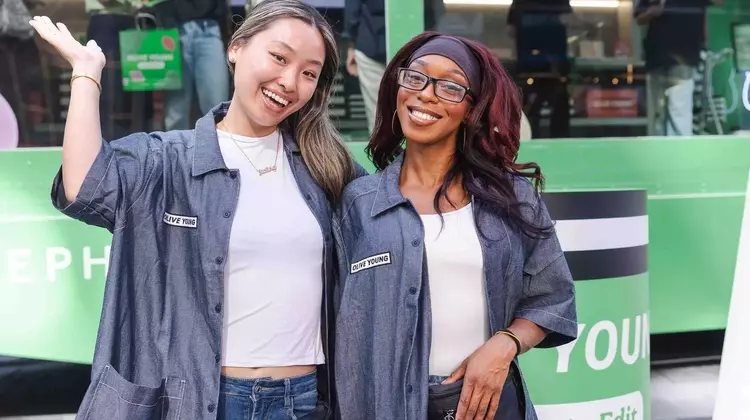
Beyond the allure of beauty tourism, K-beauty products are also gaining significant traction in international markets. In 2024, South Korea notably outranked France as the leading cosmetics supplier to the United States, with shipments reaching an impressive $1.7 billion, as reported by the US International Trade Commission. This positions South Korea as the world's second-largest exporter of beauty products, trailing only America, according to data compiled by the Korea International Trade Association. Specialized K-beauty retailers, such as Pureseoul, have rapidly expanded their global presence, while established mainstream retailers like Space NK have integrated dedicated K-beauty sections. Department stores, including Galeries Lafayette, have forged partnerships with independent brands like Amuse to establish permanent shop-in-shops. In a significant recent development, Sephora entered into a strategic collaboration with Olive Young to introduce a selection of popular Korean brands, including Abib, Rejuran, Dr. Althea, and Torriden, to over 500 stores across the US and through its online platforms.
The global ascent of K-beauty is not merely a fleeting trend; it represents a fundamental shift in the international beauty landscape. Driven by a blend of cultural influence, innovative product development, and strategic market expansion, K-beauty brands are reshaping consumer expectations and setting new standards for the industry worldwide.