Unlock the Value: Your Guide to Savvy Secondhand Luxury Shopping
The Dawn of Hyper-Specific Searches: Redefining the Resale Experience
The era of broad searches on secondhand marketplaces is over. Today's luxury shoppers are engaging with unprecedented precision, moving beyond general brand queries to pinpoint specific years, materials, and even collection looks, such as 'Prada 2010 linen' or 'Chanel 2013, look 31.' This meticulous approach, as observed by Kristen Naiman, chief brand officer at The RealReal, signifies a profound change in consumer behavior. It reflects a sophisticated understanding of fashion history and an appreciation for unique, one-of-a-kind items.
Investment-Driven Choices: The Strategic Shopper's New Imperative
This increased specificity is fueled by two key motivations: a quest for distinctiveness and a strategic focus on future returns. A significant 47% of consumers now assess an item's potential resale value before making a purchase in the primary market, treating their wardrobes as asset portfolios. This shift towards intentional, knowledge-based shopping elevates the importance of expert curation and a well-defined point of view for resale platforms. As secondhand shopping becomes mainstream, accounting for 58% of consumer preference, the market demands greater sophistication in inventory and user experience.
The Resurgence of Vintage: A New Horizon for Cult Classics
The concept of 'vintage' is expanding, with total demand for items 15 years or older surging by 432% between 2020 and 2026 on The RealReal. Notably, interest has shifted from 90s pieces to early 2000s fashion, with searches for the latter increasing by 93% year-on-year. This revival extends to specific designers like Phoebe Philo for Celine, Nicolas Ghesquière for Balenciaga, and Marc Jacobs for Louis Vuitton, whose 2000s-era creations are experiencing a significant spike in demand. This trend suggests that even brands founded more recently, like Acne Studios, are rapidly achieving cult status, pushing prices upward for these emerging vintage categories.
Rising Stars: The Uncharted Territory of Emerging Brands in Resale
Emerging fashion brands are quickly gaining traction in the resale market, often with demand far outstripping supply. Japanese label Ssstein, for instance, sees demand growing 36 times faster than its available stock, with a 361% year-on-year increase in interest. Similarly, New York-based brands like Rùadh, Heirlome, and Zankov are generating immense 'obsession-to-supply' ratios, indicating strong consumer desire for their limited offerings. This phenomenon reflects how new media channels like Substack and TikTok are enabling smaller, innovative brands to connect with a wider audience outside traditional fashion circles, making their pieces highly coveted on resale platforms at a more accessible price point.
The Enduring Cycle of Luxury: Smart Investments in Handbags and Beyond
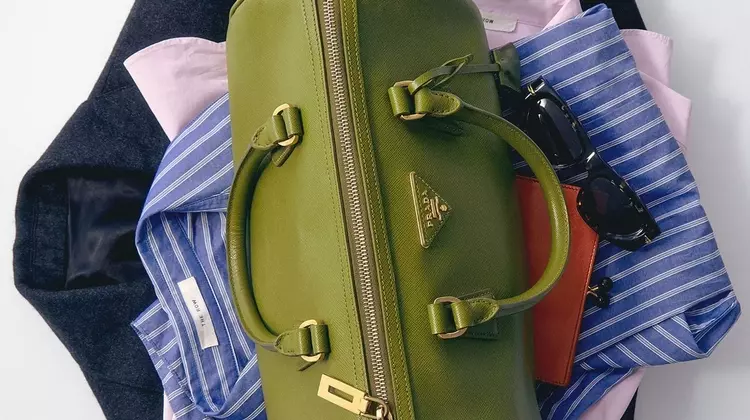
Consumers are increasingly making purchases with a keen eye on an item's future resale value. The RealReal has even introduced technology to guide shoppers in identifying prime buying and selling opportunities. Handbags, in particular, prove to be reliable investments, with many "future resale stars" being reissued versions of previously popular styles. The Chanel Cerf and Saint Laurent's Y tote demonstrate steady and growing interest. Meanwhile, new releases like the Celine Halfmoon quickly gain momentum, suggesting a strong resale trajectory. Historical data shows that iconic bags, such as the Fendi Baguette and Louis Vuitton Mini Speedy, consistently retain or increase their value, acting as "blue-chip stock" in the luxury market.
Creative Directorship and Market Dynamics: Timing Your Luxury Acquisitions
Changes in creative direction profoundly impact market demand and resale value. Matthieu Blazy's appointment at Chanel, for example, ignited a colossal 10,967% surge in searches for his collections, making Chanel the most-searched brand on The RealReal. While such spikes indicate strong investment potential, the market also experiences natural cycles of dips and rises. Patience and strategic timing are crucial for maximizing returns. Holding onto a culturally resonant piece through its "down cycle" can lead to significant gains in the long term, making luxury fashion a thoughtful, evolving investment.