For many timepiece aficionados, the appreciation for a watch deepens beyond its external aesthetics, leading to a desire to understand its inner workings. This shift from mere admiration to mechanical curiosity is a common experience, particularly when encountering a historically significant piece like the vintage King Seiko 44-9990.
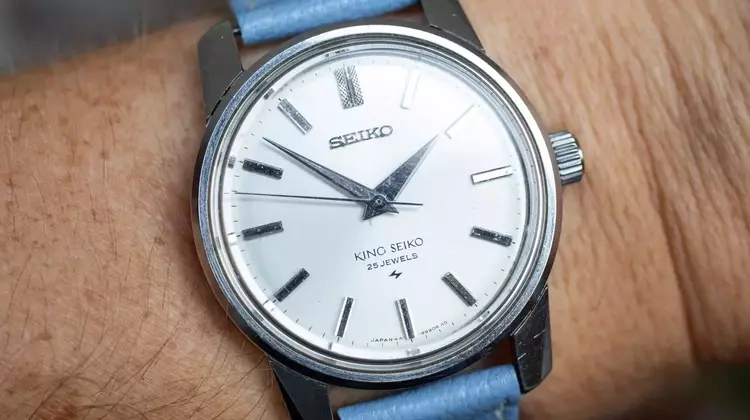
The King Seiko 44-9990 holds a distinguished position in horological history, epitomizing the ascent of Japanese watchmaking in the 1960s. Its design, characterized by sharp lugs, polished facets, refined dauphine hands, and an elegant silver dial, exemplifies Seiko's renowned Grammar of Design. Despite its undeniable exterior appeal, the true marvel often remains concealed within its case: the manually wound 44A movement. This caliber, distinct from many contemporary industrial movements, possesses a unique charm and character. Its straightforward mechanical design reflects an era when hand-wound watches were daily essentials, not just luxury items. The ritual of winding it daily becomes more profound, and the ability to observe its intricate gears through a transparent case back elevates the entire ownership experience, prompting many enthusiasts to explore home-based modifications.
Embarking on the journey of watch modification typically begins with acquiring a specialized tool kit. While initially intended for simple tasks like resizing bracelets or swapping straps, these tools often serve as a gateway to deeper horological engagement. Enthusiasts soon find themselves researching various tools with increasing dedication, from spring bar removers to case back openers and loupes. A comprehensive starter kit doesn't have to be expensive, often including essentials like a spring bar tool, case holder, microfiber cloths, tweezers, and a dust blower. While many affordable kits offer more tools than immediately necessary, this abundance contributes to the exploratory joy of the hobby. It's important to prioritize quality for delicate vintage pieces, as inferior tools can easily mar a watch's pristine surfaces. Investing in a proper Jaxa-style case back opener, a reliable case holder, and precise screwdrivers can significantly reduce the risk of damage. Once equipped, the watch transforms from a sealed enigma into an object that can be intimately engaged with, providing a deeply satisfying, albeit initially intimidating, experience.
The decision to replace an original case back, especially on a vintage watch, might raise concerns among purists. However, the use of an aftermarket sapphire display back, like those from The Time Collective, offers a reversible modification that preserves the watch's originality. The primary motivation for such a change is to reveal the 44A movement, which boasts an understated elegance. Vintage Seiko manual-wind calibers often hide their aesthetic appeal, remaining unseen by their owners. The 44A movement's thoughtful bridge design, balanced architecture, and unhurried 18,000vph beat rate are a pleasure to behold. This transparent case back not only showcases the movement's beauty but also enhances the emotional connection with the watch, making it feel less like a fragile artifact and more like a living, mechanical companion. Observing the movement in action fosters a greater appreciation for the craftsmanship and engineering that went into its creation.
Before undertaking any modification, meticulous preparation of the workspace is crucial. A clean, well-lit area with a soft surface, such as a microfiber cloth, prevents scratches. Using finger cots or gloves is essential to avoid leaving fingerprints on delicate components. The initial step involves removing the strap to facilitate easier access to the case back and secure handling. Vintage watches, particularly the 44KS, are often designed with serviceability in mind, making them more amenable to such procedures than some modern counterparts. Opening the case back requires applying firm, even pressure with the appropriate tool to avoid slippage and potential damage to the sharp lugs. The moment the case back loosens reveals the movement, a profoundly intimate experience for any enthusiast. The 44A caliber instantly conveys a sense of purpose and robust engineering. Although not overtly decorative, its industrial beauty, with cleanly shaped bridges and confidently oscillating balance wheel, is captivating. While admiring the movement, it's vital to exercise restraint and avoid probing internal components without proper training, as dust, magnetism, or accidental contact can cause significant issues. The primary goal is observation and appreciation, not amateur repair.
The installation of the sapphire display back is a surprisingly straightforward process. These aftermarket components are typically designed to fit perfectly, complete with correct threading and gaskets. Before fastening, it's important to inspect the gasket and ensure the sapphire crystal is free of dust, using a dust blower if necessary. Careful alignment is key to prevent cross-threading the vintage steel threads. Once securely in place, the watch undergoes a remarkable transformation. The formerly hidden 44A caliber is now fully visible, turning the King Seiko into a more interactive and emotionally resonant timepiece. This enhanced visibility deepens the ownership experience; daily winding becomes a more engaging ritual, and the subtle ticking gains new significance with the visible mechanical heartbeat. This blend of originality and personalization allows the vintage watch to continue its life on the wrist, accumulating new stories while honoring its past, and fostering a profound connection to the art of watchmaking.