Dubai, a city often hailed as the Gulf's fashion epicenter, is navigating a transformative period for its burgeoning fashion industry. Despite geopolitical tensions that have impacted travel and trade, the region remains committed to fostering its creative economy. At the forefront of this evolution is Dubai Fashion Week (DFW), which is preparing for its Spring/Summer 2027 showcase. The event sees significant changes, including the appointment of Amina Taher as the first chairwoman of the Arab Fashion Council (AFC) and a strategic shift in the fashion week's schedule to optimize its commercial and cultural impact.
The Arab Fashion Council, established in 2014 by CEO Jacob Abrian, represents the fashion interests of 22 Arab League nations. Amina Taher, a respected Emirati executive, has joined Abrian to further elevate Dubai's standing as the definitive fashion capital of the Gulf. Her expertise in marketing and business, garnered from roles at Wio Bank and Etihad Airways, is expected to bring a fresh perspective to the AFC. Taher envisions her role as a facilitator, opening avenues for collaboration among government bodies, investors, institutions, and international partners, especially crucial during a challenging economic climate.
One of the immediate impacts of Taher's appointment is the rescheduling of DFW to align more effectively with global buying patterns. The Spring/Summer 2027 edition, initially planned for September, has been moved to October 22-26. This adjustment aims to position DFW as a more viable purchasing opportunity for buyers, particularly considering the timing of Ramadan in early February 2027. The goal is to ensure that designers can adequately prepare their collections for both regional and international markets without conflict.
Taher emphasized that the fashion industry requires leaders who possess a keen understanding of business fundamentals, not solely creative flair. Her background enables her to focus on audience engagement, capital acquisition, and sustainable growth, all while respecting the inherent cultural value of fashion. She believes that DFW offers a unique proposition to the global fashion landscape, providing access to a distinctive combination of Middle Eastern and Asian markets, capital, consumers, and cultural influences.
Furthermore, DFW strives to be more than just a runway show. It seeks to establish a comprehensive ecosystem that offers designers holistic support, encompassing visibility, business development, market access, and international exposure. This integrated approach aims to foster the growth of emerging talents while attracting established global brands, creating a dynamic environment where both can thrive and mutually elevate the event's stature.
Dubai's geographical position as a nexus between the Arab world, Asia, and the West naturally positions DFW as a melting pot of cultures. While maintaining its Middle Eastern roots, the platform is becoming increasingly international, with a particular focus on deepening ties with Asia's vibrant creative and commercial ecosystems. This international participation is not intended to overshadow regional talent but rather to integrate them into a broader global dialogue, offering them unparalleled opportunities to shine.
The decision to shift DFW's calendar reflects a proactive response to industry needs, moving from opening the fashion season to strategically closing it. This allows for stronger commercial and cultural momentum, better aligning with international buying cycles and safeguarding designers' ability to focus on Ramadan collections. This adaptability ensures that DFW remains relevant and valuable in the ever-evolving fashion landscape.
During these uncertain times, the AFC's primary objective is to provide stability and continuity. The unwavering determination of regional designers to continue creating and showcasing their work, even amidst difficulties, speaks volumes about the industry's resilience and belief in the region's potential. The AFC views its role not as ignoring challenges but as ensuring that the creative economy of the region maintains its voice and prominence on the global stage.
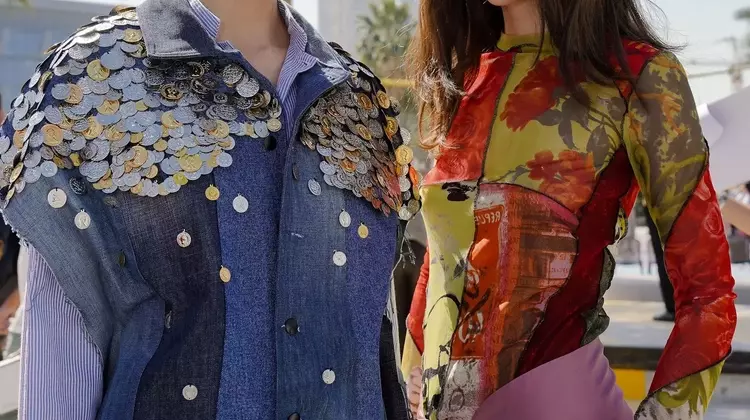
International fashion stakeholders should recognize that the region is undergoing a profound shift, moving away from seeking external validation towards defining its own distinct identity. Dubai aspires to be more than just a host for fashion events; it aims to be a genuine incubator for new ideas, innovative designers, and meaningful conversations. The emerging generation of Arab designers is characterized by their sharp, experimental, and globally-minded approach, pushing the narrative of Arab fashion from merely 'interesting' to truly 'influential.'