During a recent session at the JIS Show in Miami, JCK's editor-in-chief, Victoria Gomelsky, engaged in a discussion moderated by Jen Cullen Williams, offering insights into the current and emerging jewelry trends observed globally and at the show. The conversation illuminated how familiar preferences continue to thrive, while several distinct shifts are also taking place within the industry. A significant theme was the impact of rising gold prices on consumer choices, leading to a surge in demand for more accessible options like charms and beaded jewelry. Furthermore, the discussion highlighted a growing appreciation for unique characteristics in diamonds, the diverse appeal of colored gemstones, and the innovative applications of titanium in jewelry design, indicating a broader market shift towards individuality and value.
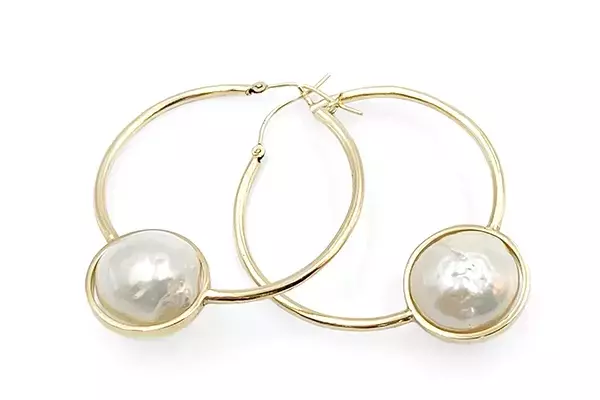
A notable observation at the JIS show was the presence of high-end jewelry, a departure from its traditional focus on more accessible price points. Gomelsky cited New York City-based Nigaam, showcasing exceptional fine jewelry with rare conch pearls after a hiatus, as an example of this evolving landscape. This shift suggests a broader appeal for the show, catering to a diverse range of retailers. However, the most significant factor influencing current jewelry offerings remains the escalating price of gold. This has made substantial gold pieces significantly more expensive, pushing charms to the forefront as an accessible entry point into precious metal jewelry. Gomelsky noted that even these entry-level prices have increased, with designers in Paris reporting starting prices of $6,000–$7,000, compared to $2,000–$2,500 a decade ago. Despite these rising costs, many designers find their clients understand the market dynamics, often viewing gold's increasing value as a compelling reason to invest.
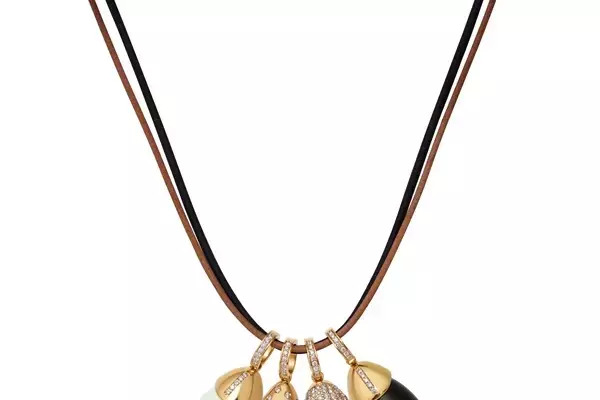
For retailers seeking even more affordable options, the pressure from gold prices has spurred another prominent trend: beads. When even small gold connectors become expensive, designers are increasingly utilizing colored stones for visual impact. Substantial beaded necklaces offer scale, color, and presence, incorporating minimal gold elements to maintain a precious component without incurring high costs. Gomelsky emphasized, "This is the era to embrace color." She personally exemplified this by purchasing ruby bead strands with small gold stations for her mother, finding them a better value than comparable gold chains. Additionally, cords and leather are gaining traction as alternatives to traditional chains, allowing customers to wear pendants and charms without the chain being the most costly part of their purchase.
The discussion also explored diamond trends, particularly the resurgence of antique cuts, buoyed by celebrity influence. "Taylor Swiftified" has become a term for the soaring interest in old mine and antique-inspired diamonds. With genuine antique stones being finite, some companies are recutting modern diamonds into vintage styles to meet demand. This craze shows no signs of waning, with a growing appetite for less common geometric shapes like triangles and hexagons, moving beyond conventional rounds and ovals. Furthermore, Gen Z buyers are increasingly valuing natural diamonds with warmer hues and visible character, such as J, K, and lower color grades. This preference offers both a more affordable natural diamond option and a sense of individuality, a refreshing contrast to a world often perceived as overly polished by AI, as noted by Cullen Williams.
In the realm of colored gemstones, no single stone dominated the JIS floor, indicating a diverse and supply-driven market. Gomelsky observed interest in moonstone, various purple gems including sapphire and amethyst, emeralds, and opals. She explained that gemstone trends are often dictated by supply—what the earth yields in terms of quantity and quality—rather than solely by demand. Opal, despite lingering superstitions, remains popular among designers, particularly Ethiopian opal, which offers an impressive look at a relatively accessible price, with some 14k gold cocktail rings retailing under $3,000. There's also rising interest in "Desert Diamonds"—pale yellow, brown, and champagne-colored stones—whose perceived value has been enhanced by marketing efforts. For metals, titanium presents a duality: it's used for inexpensive mass-produced men's bands, but also for intricate, high-skill fine jewelry pieces. Black titanium provides a unique aesthetic, while anodized titanium creates iridescent effects, enabling designers to create large, yet wearable, pieces that gold cannot.
Western style continues to be a strong presence at the intersection of fashion and jewelry, featuring motifs like cowboy hats, boots, horseshoes, and turquoise. Gomelsky suggested it has evolved beyond a mere trend to become a new staple, with its appeal extending globally, particularly in markets like Japan. The cultural influence of figures like Beyoncé, coupled with the imagery of freedom and possibility associated with the American West, further intensifies its allure. For retailers aiming to bolster their offerings for the holiday season, Gomelsky recommends considering vermeil, gold-plated, and fashion jewelry, alongside fine pieces, emphasizing the importance of scrutinizing quality. A lower price point should not equate to a cheap appearance or feel; retailers must assess clasps, weight, plating conviction, and overall construction. The session concluded with a "Hot or Not" segment: beaded necklaces, Western jewelry, Montana sapphires, mixed metals, and butterflies were deemed "hot," while paper-clip chains were cooling, and tennis necklaces were less prominent, unless layered creatively.
Ultimately, the jewelry market is undergoing a transformation, moving away from rigid conventions. The high cost of gold is reshaping choices, while color is becoming increasingly prevalent. Consumers are prioritizing personalization and character in their selections. Traditional boundaries concerning metals, gemstones, scale, and styling are dissolving, signaling an era where individuality and unique expression reign supreme, a sentiment palpable at the JIS Miami show.